
Legislators commit to pursuing evidence-based legislation in the 20th Congress
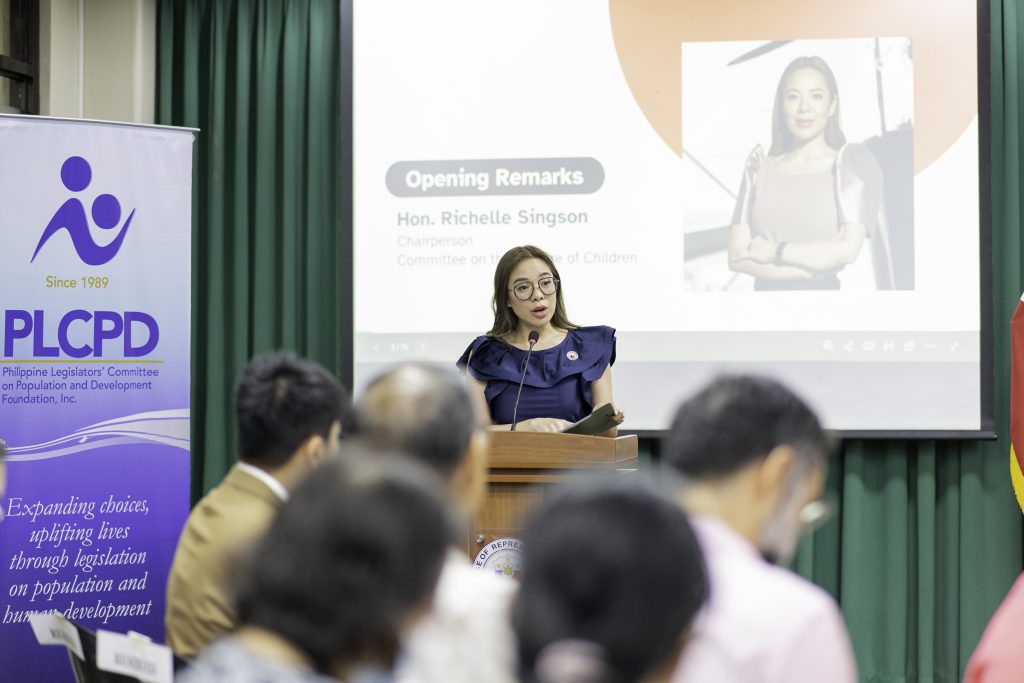
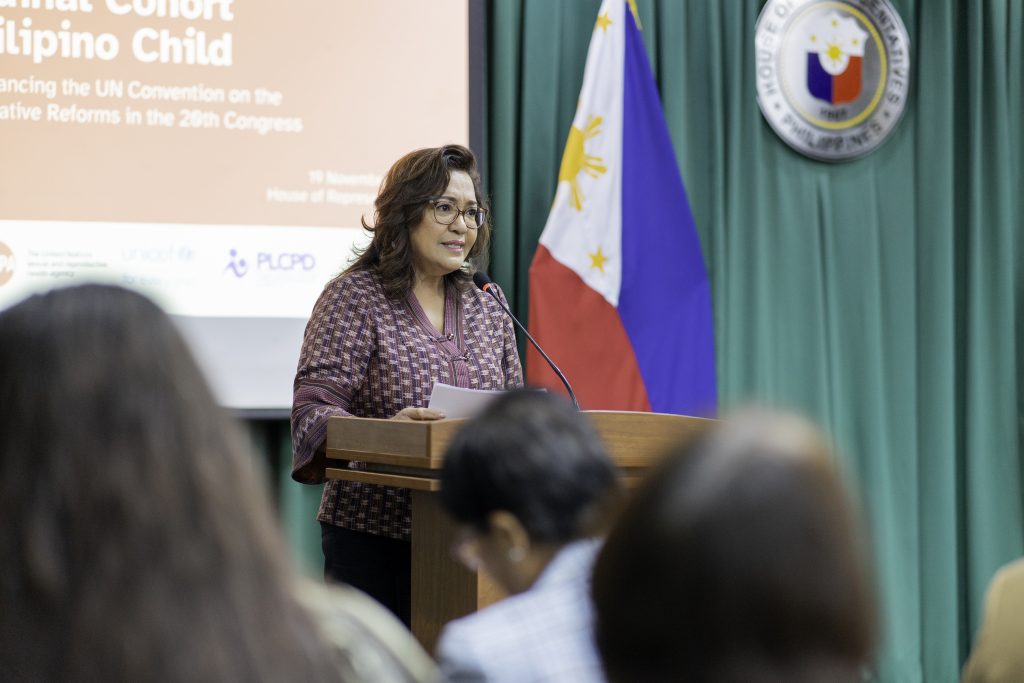
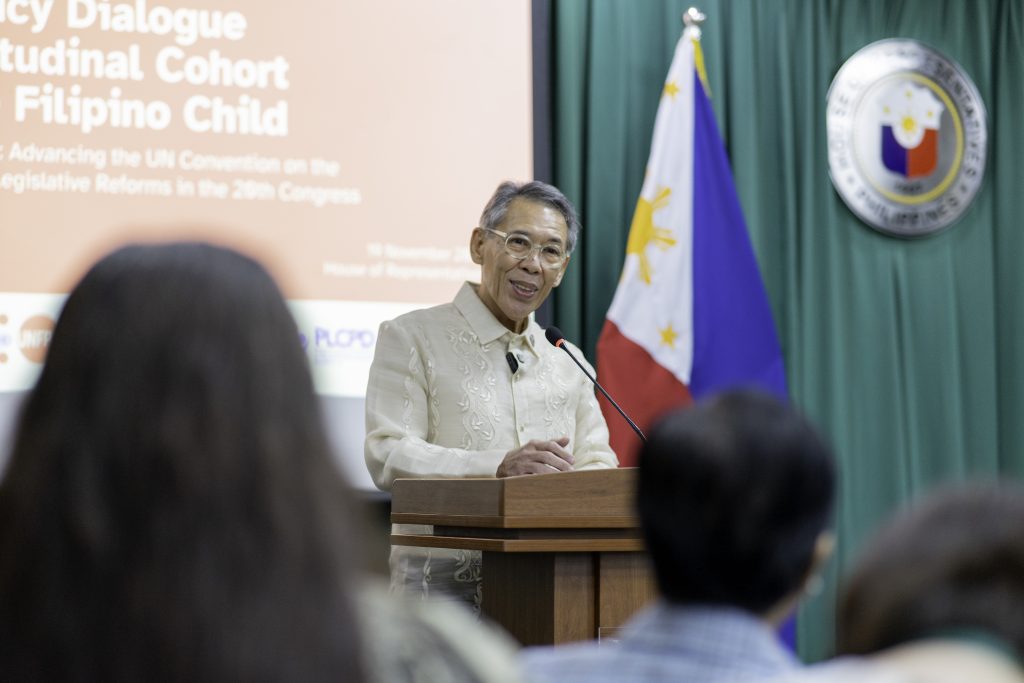
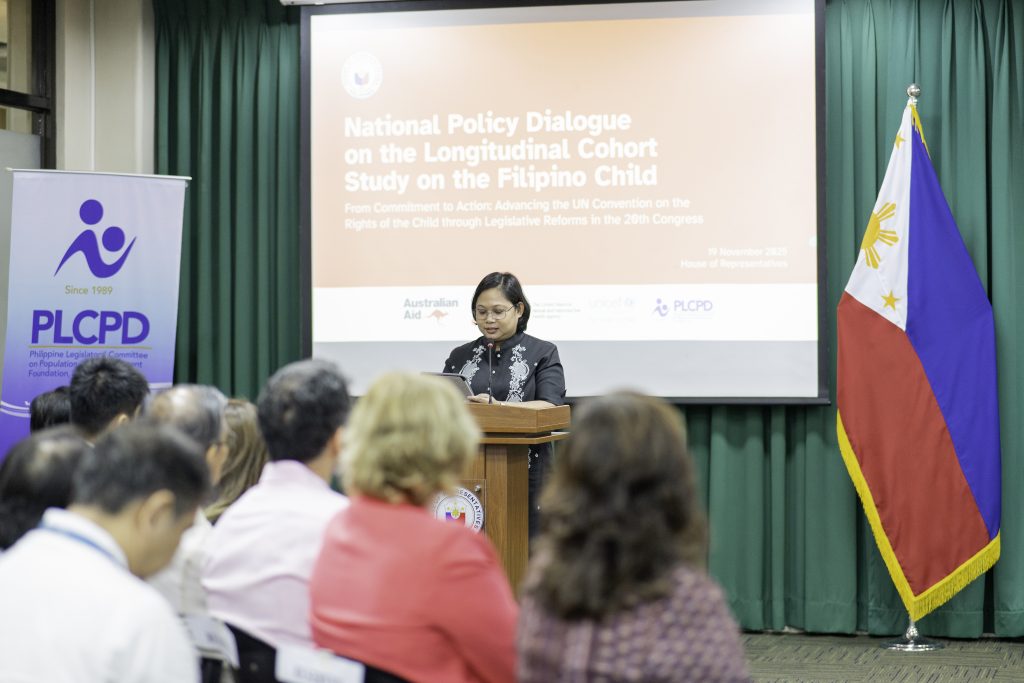
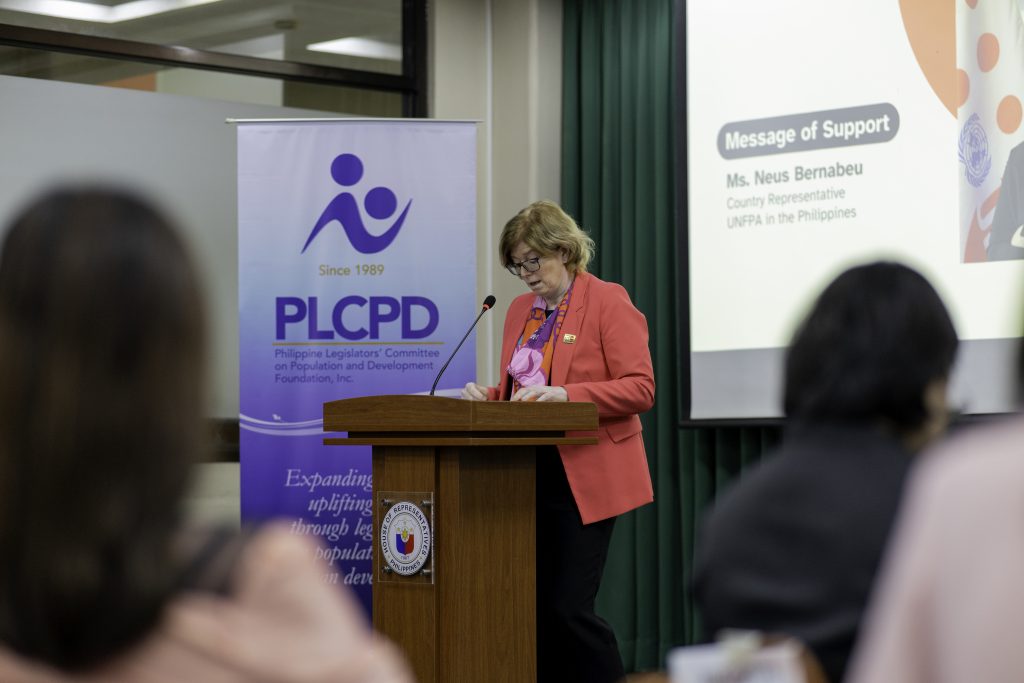
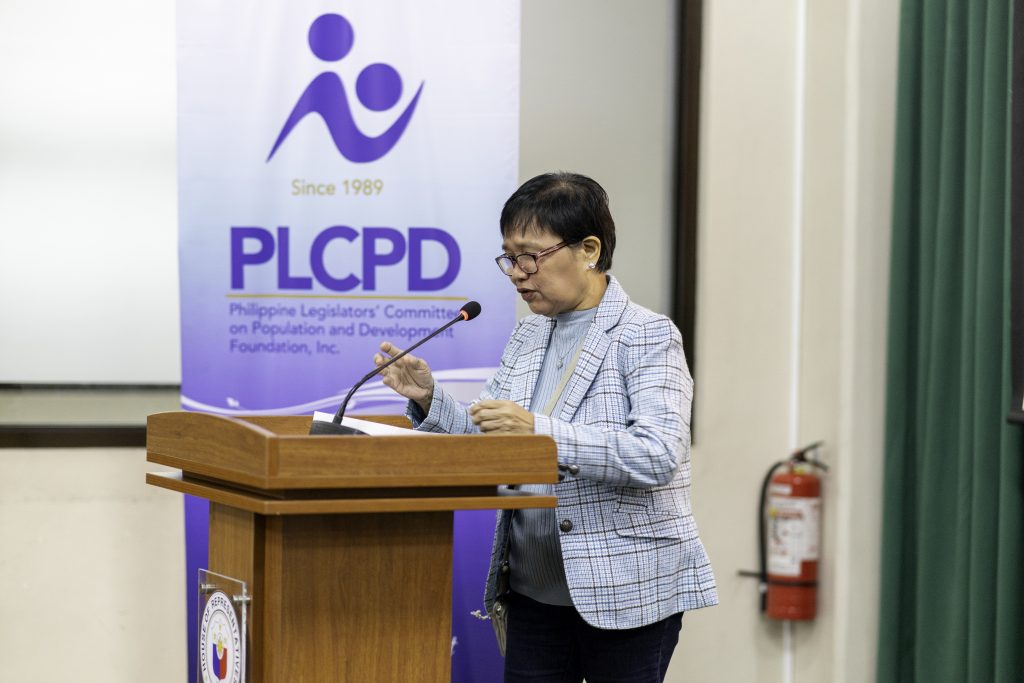
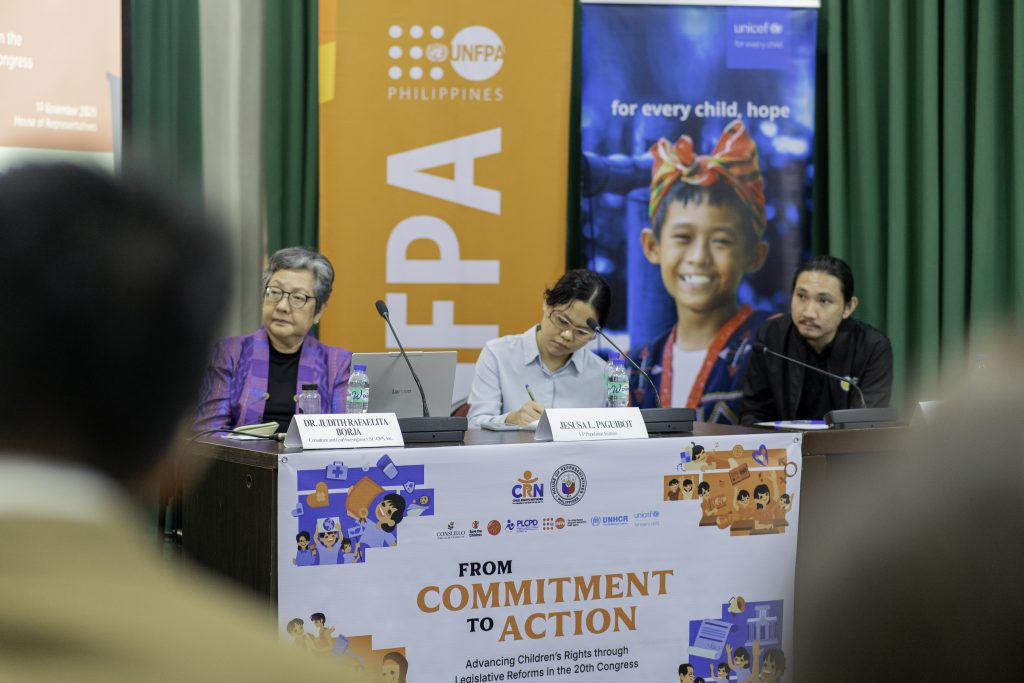
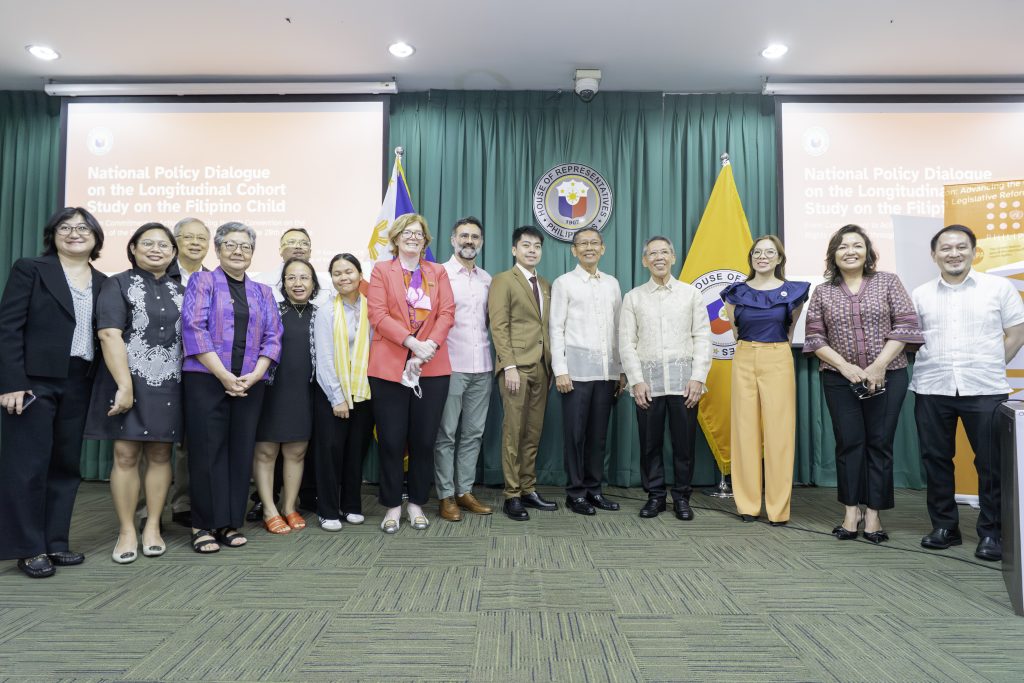
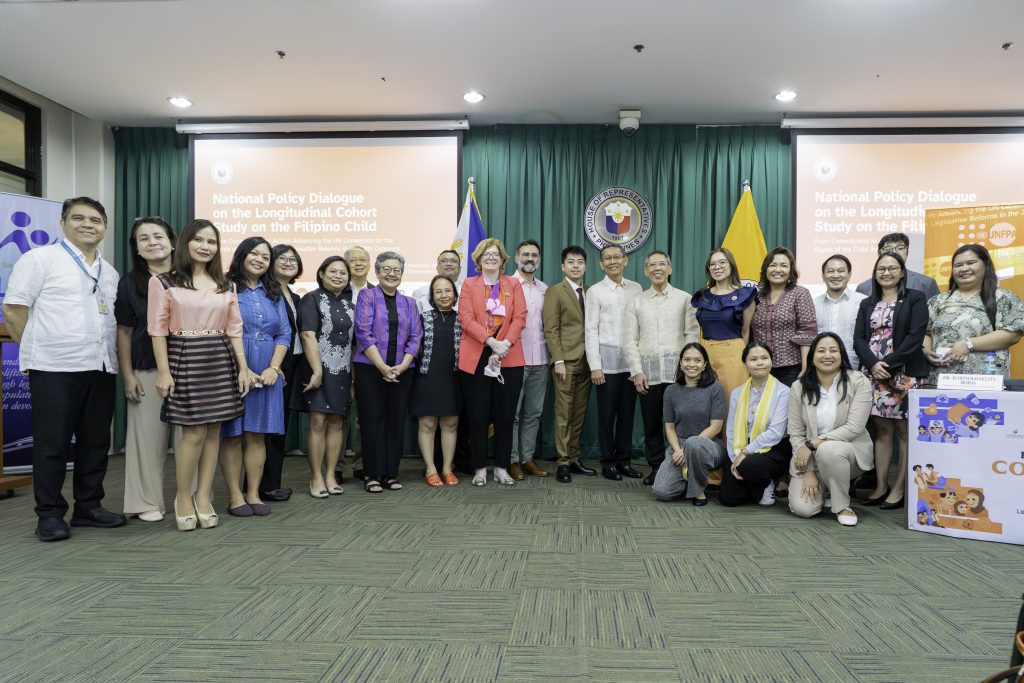
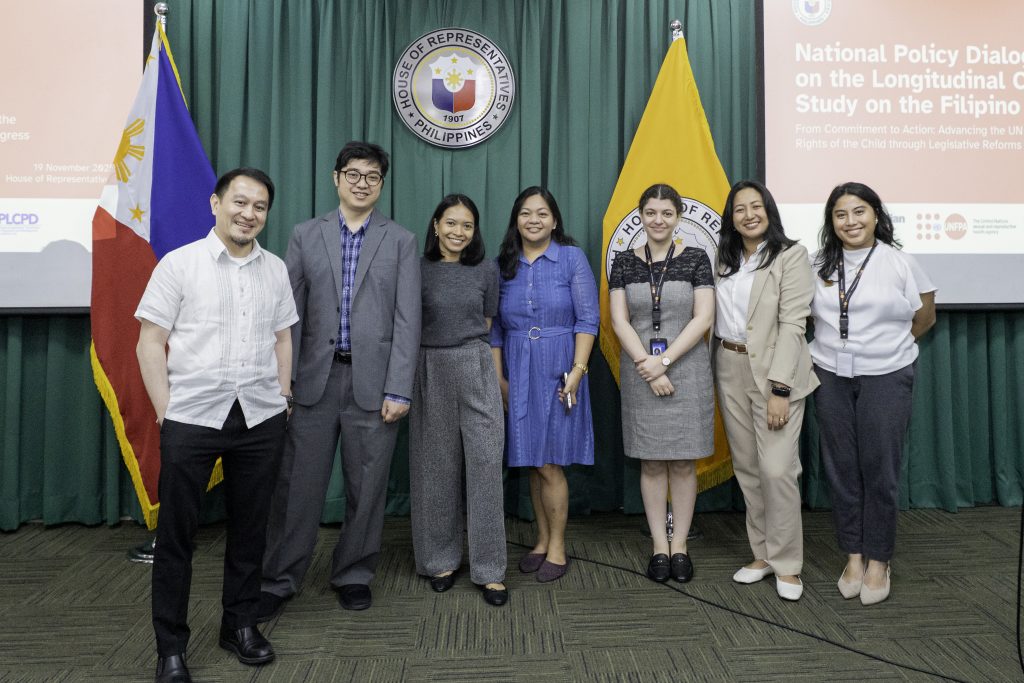
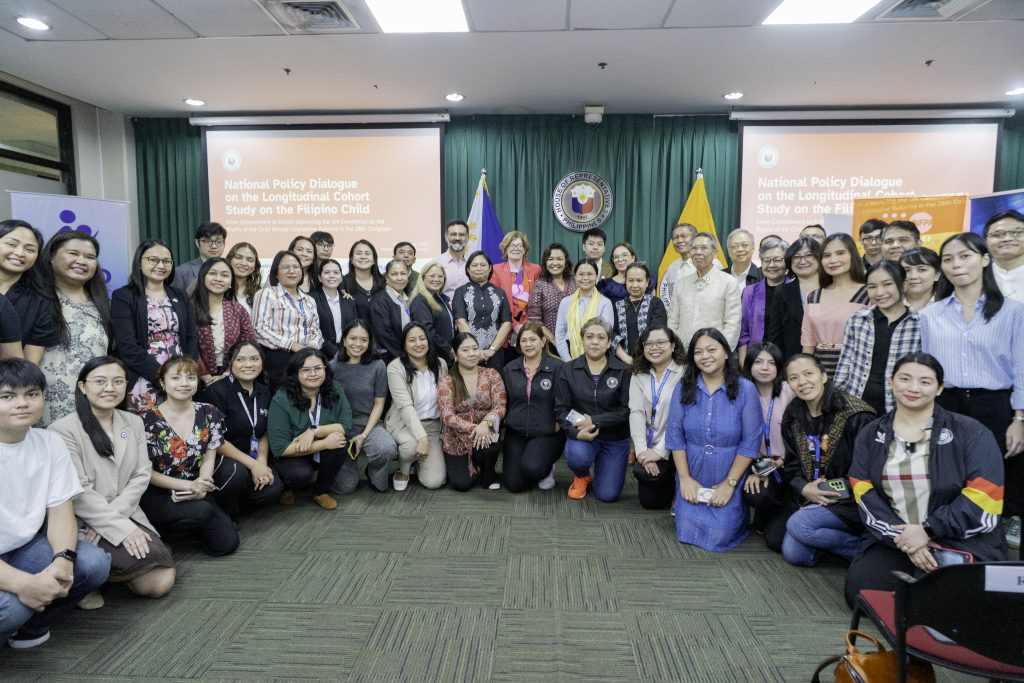
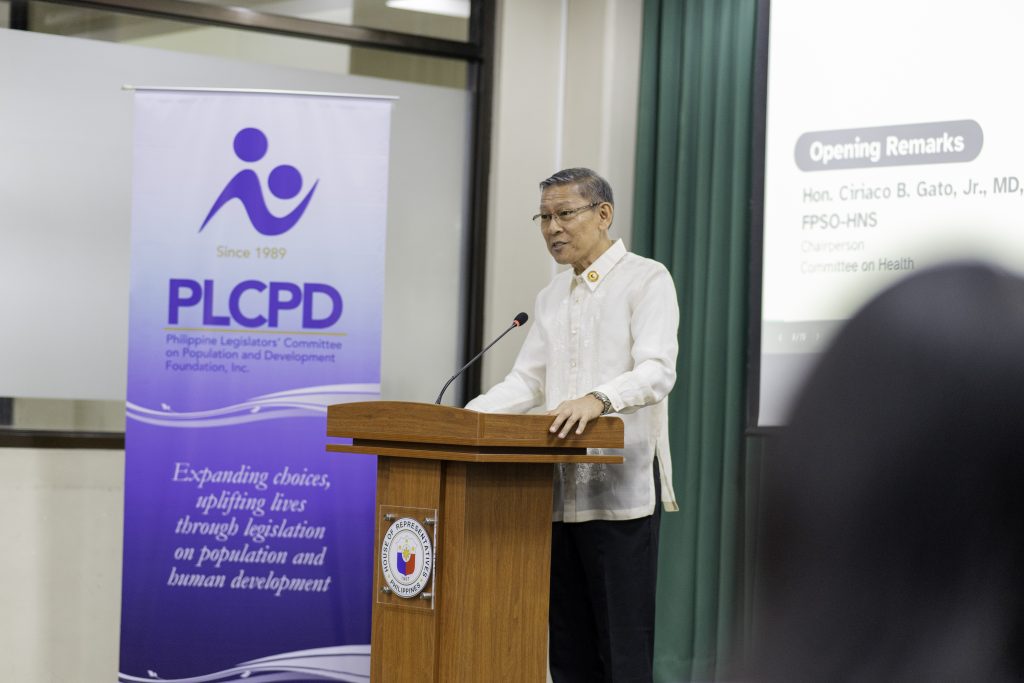
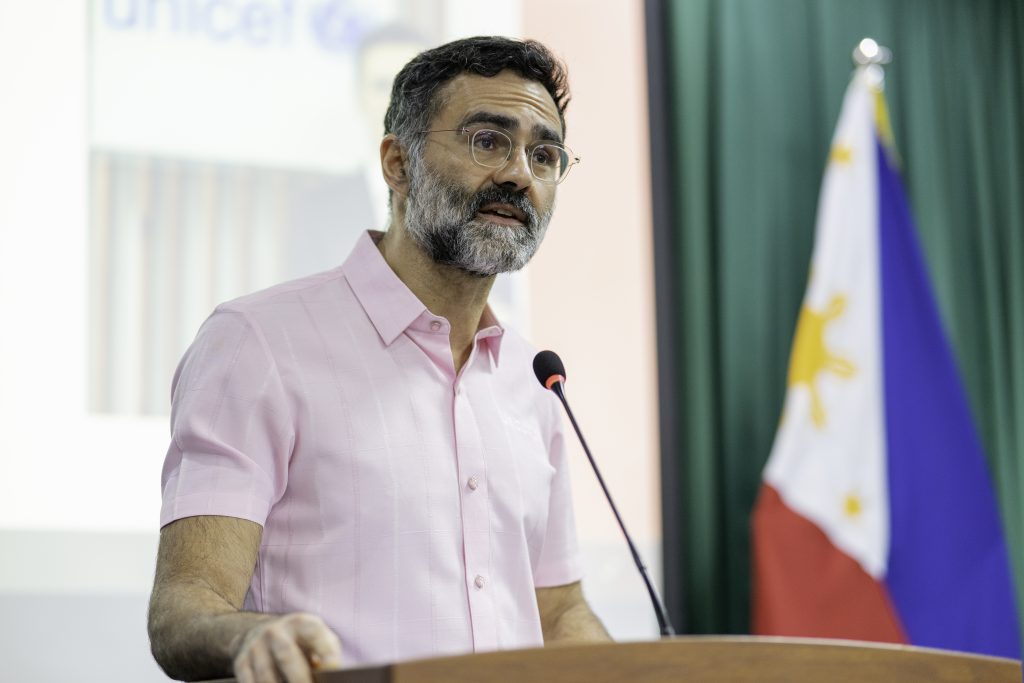
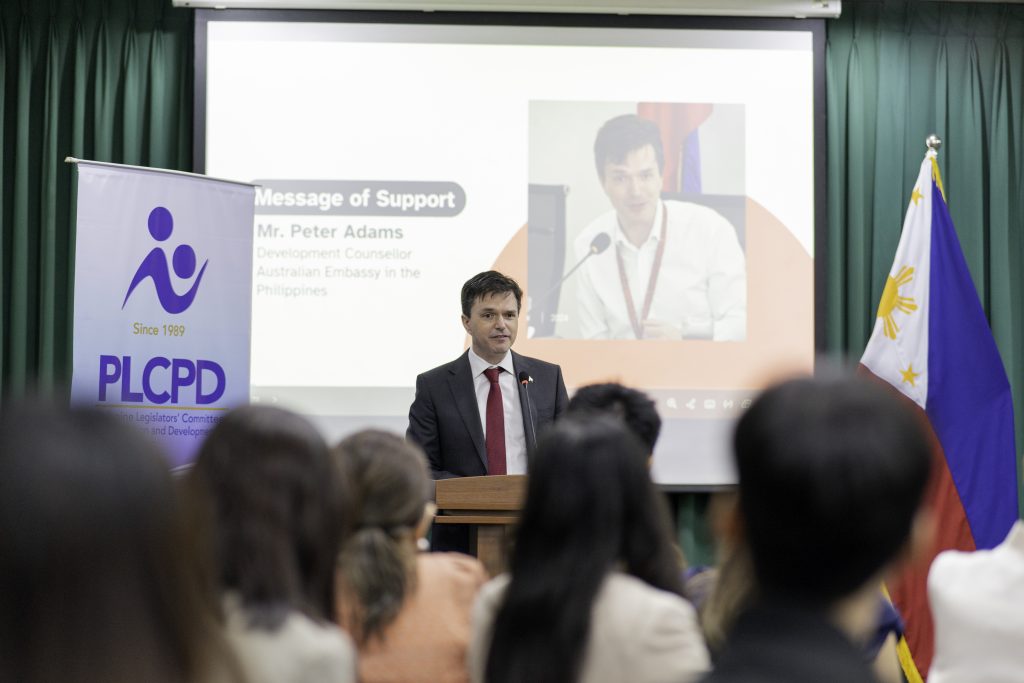
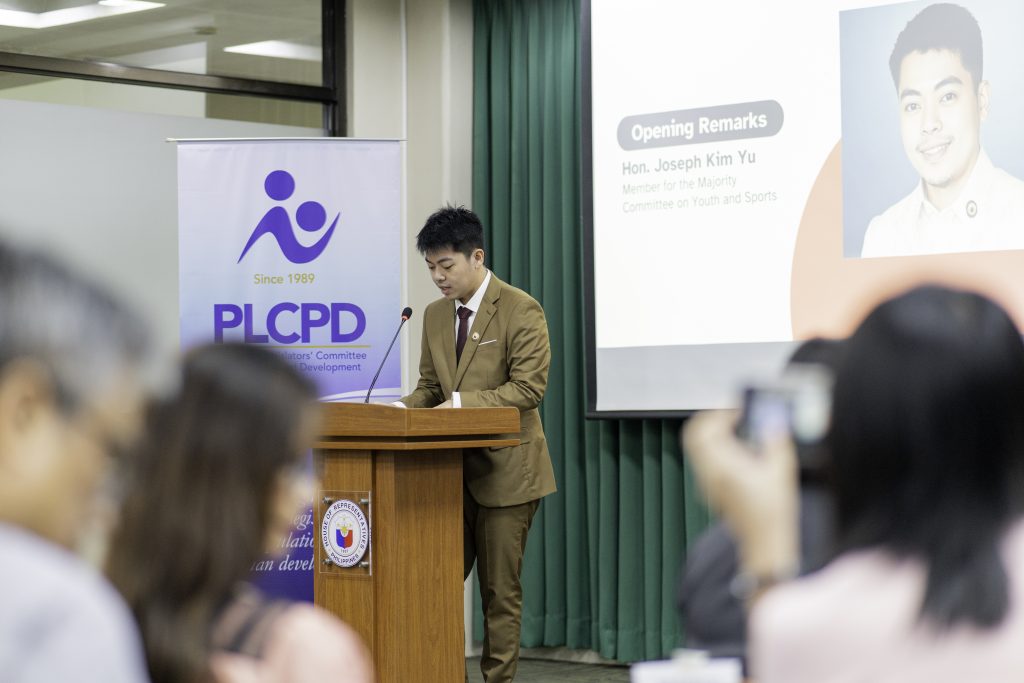
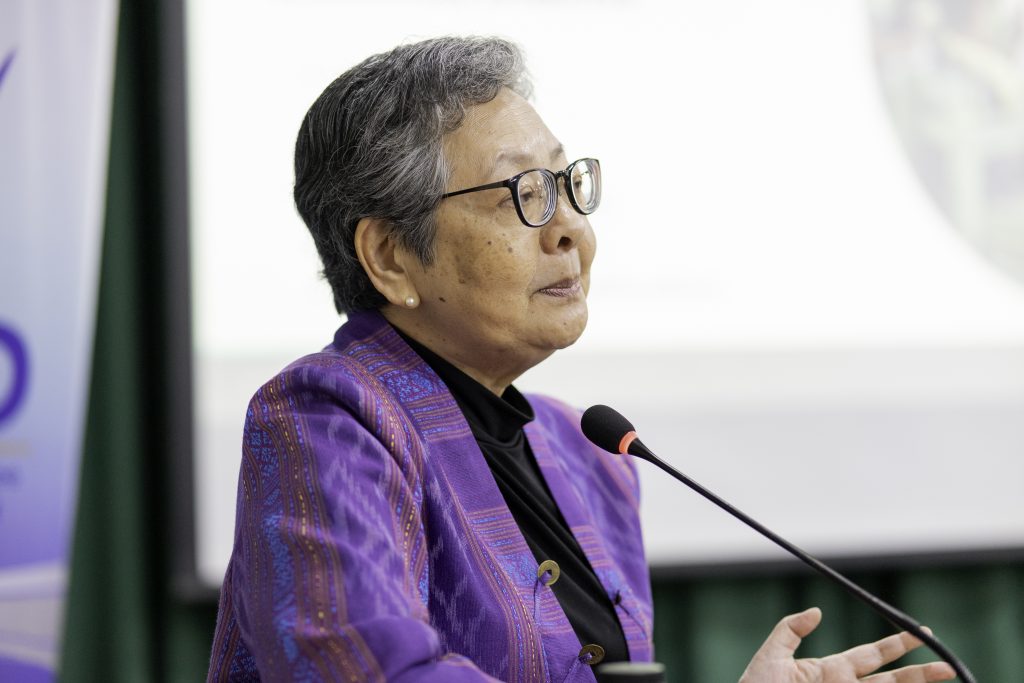
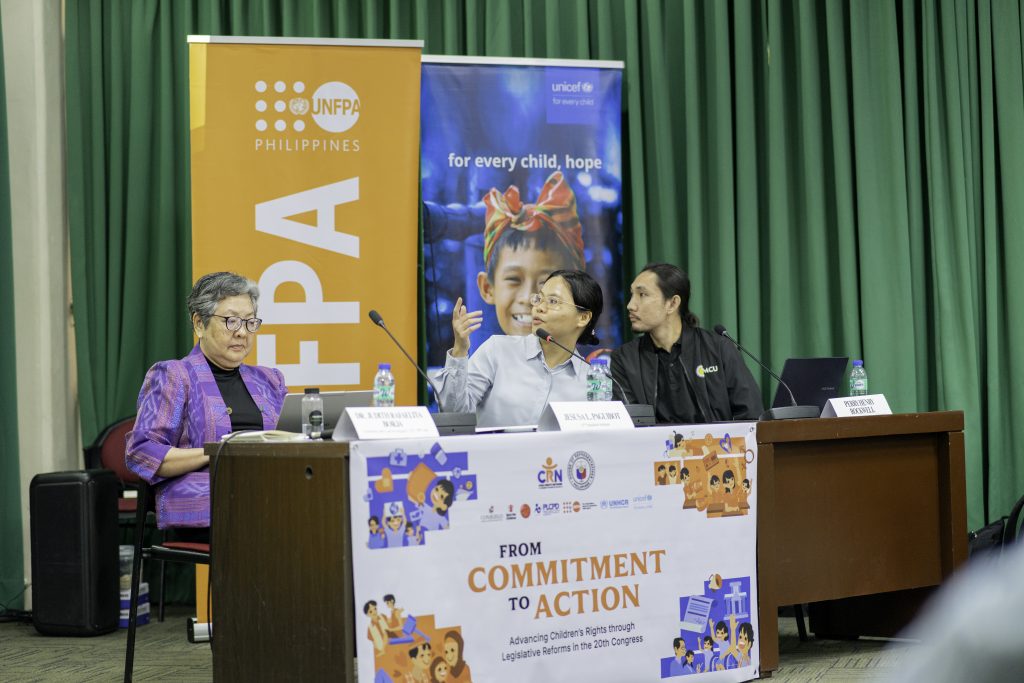
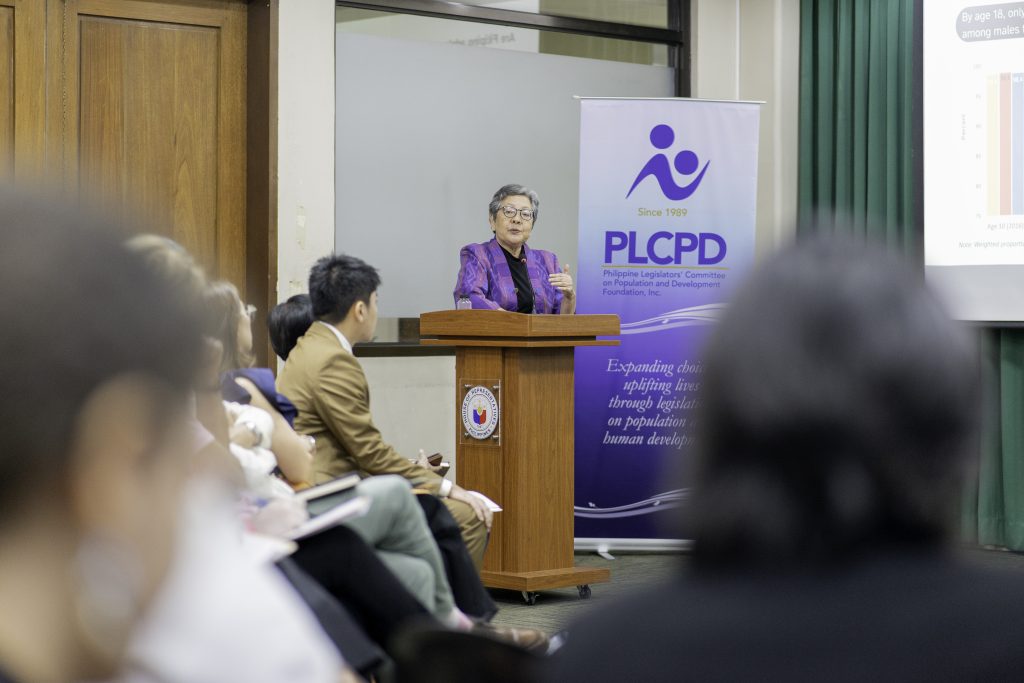
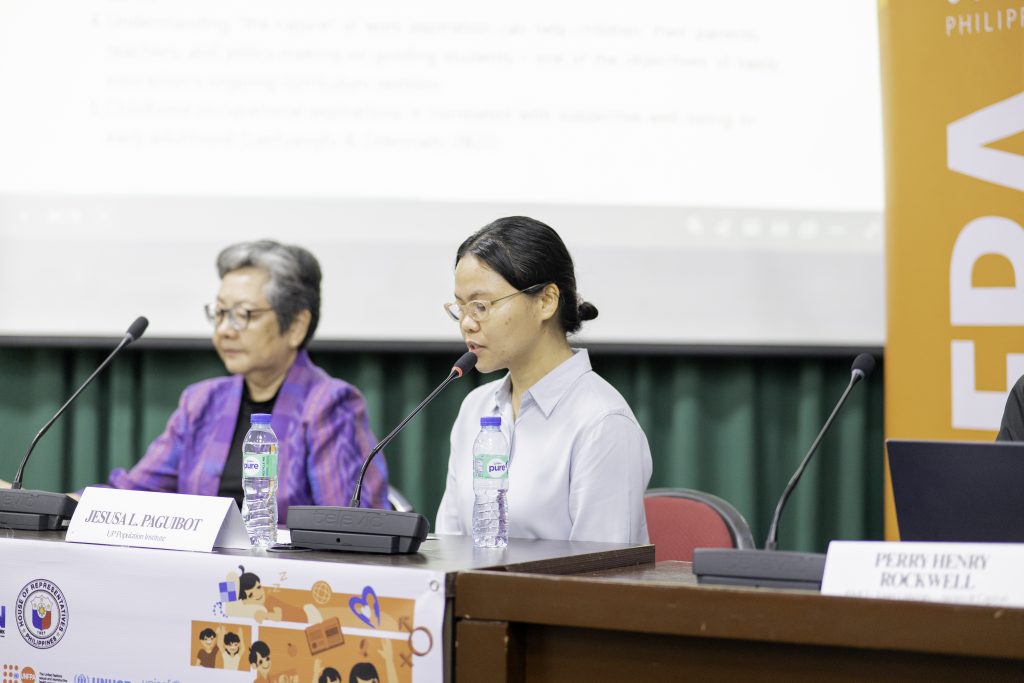

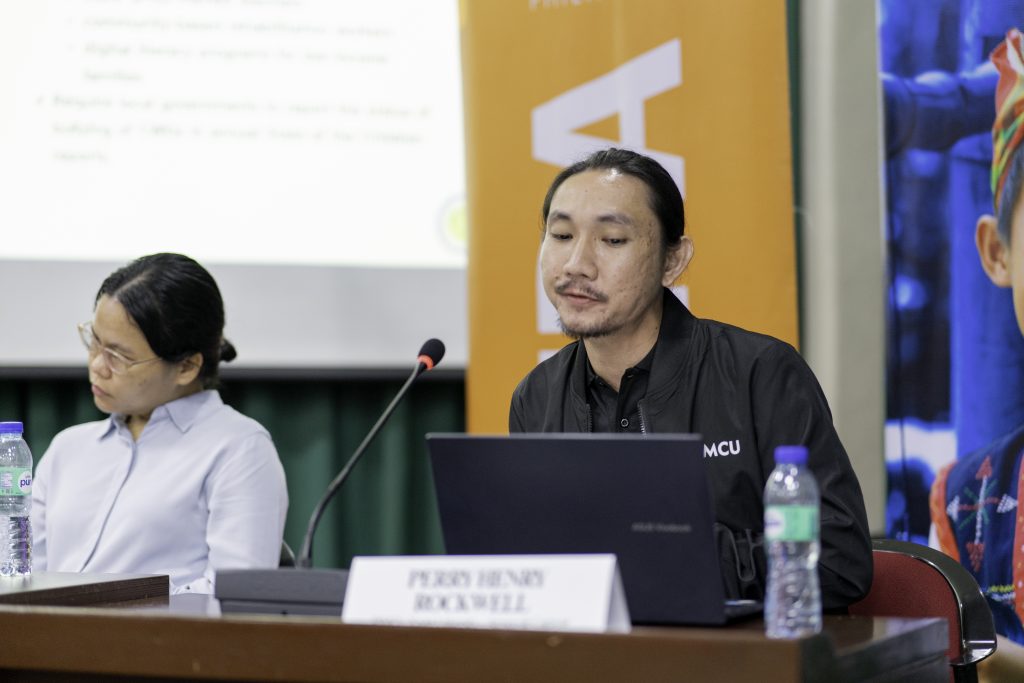
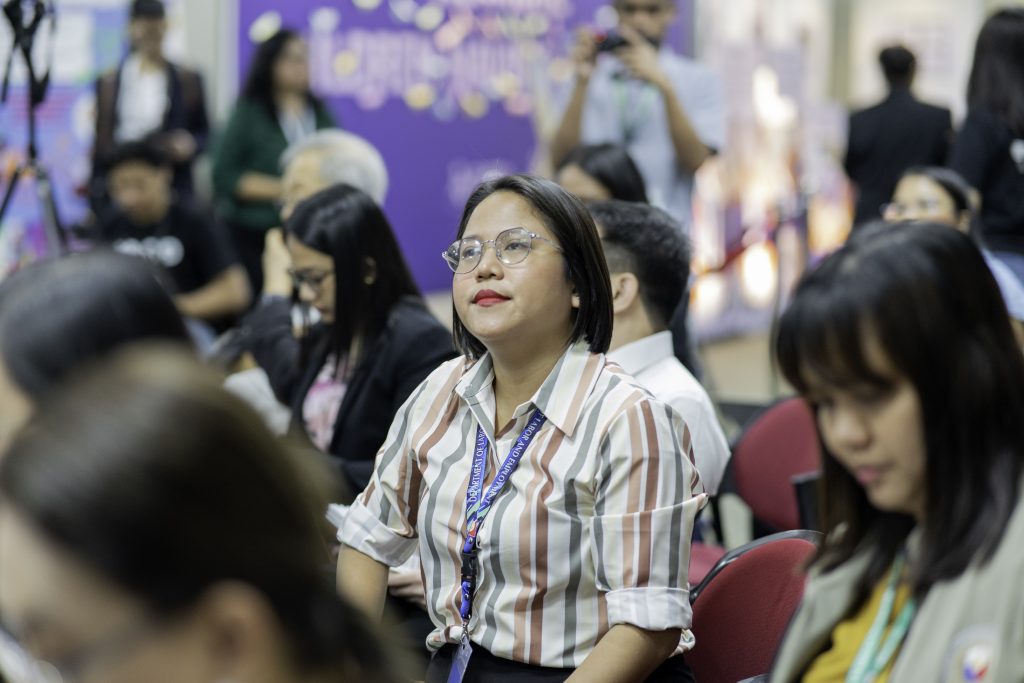
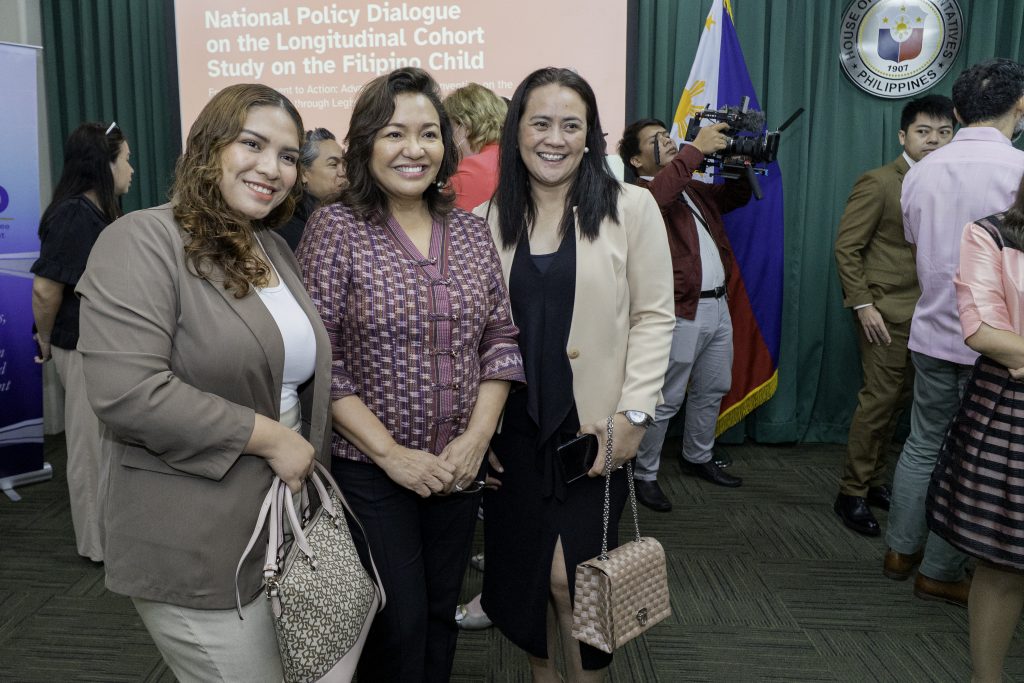
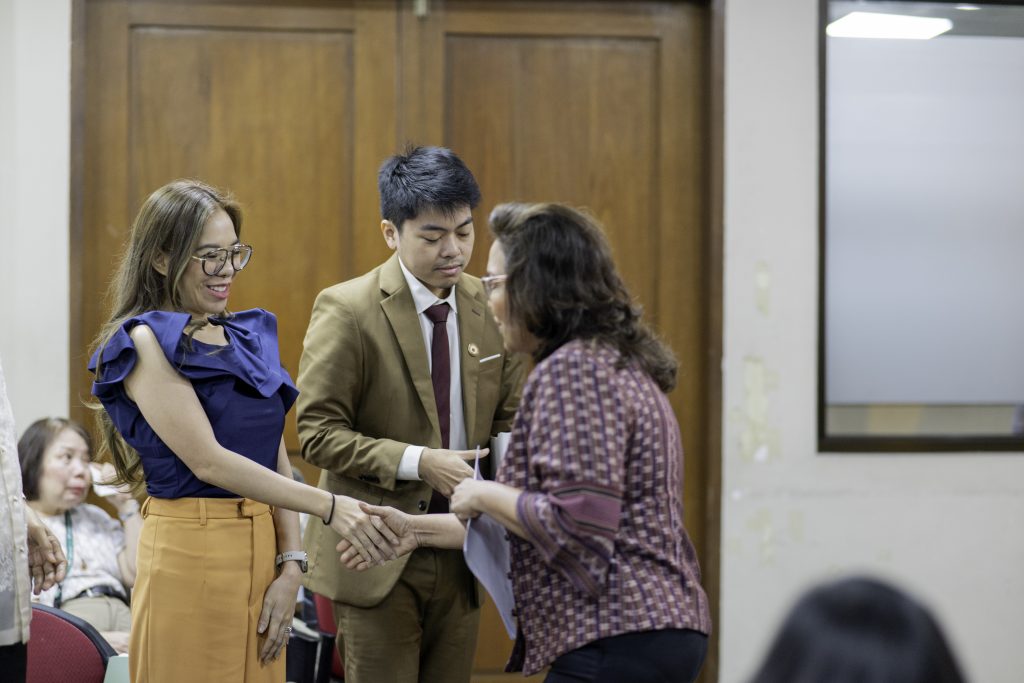
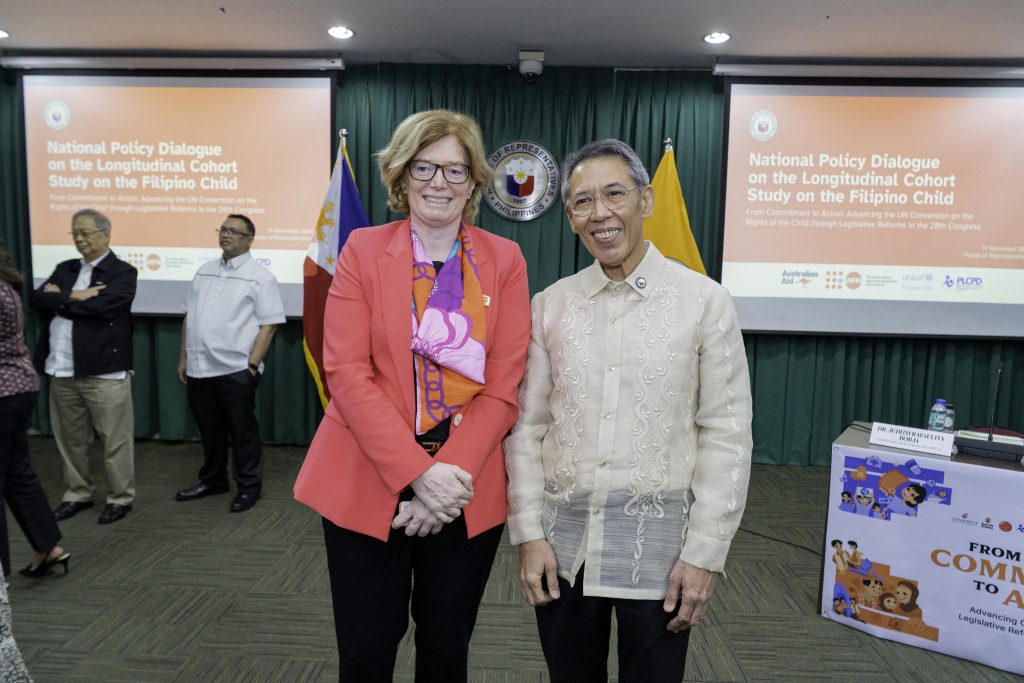
Legislators committed to improving outcomes for adolescents through evidence-based legislation during the National Policy Dialogue on the Longitudinal Cohort Study on the Filipino Child (LCSFC), a landmark 15-year study tracking the experiences of 5,000 Filipino children from ages 10 to 24. The policy dialogue took place last November 19 at the House of Representatives, in partnership with the Committee on the Welfare of Children and UNFPA Philippines.
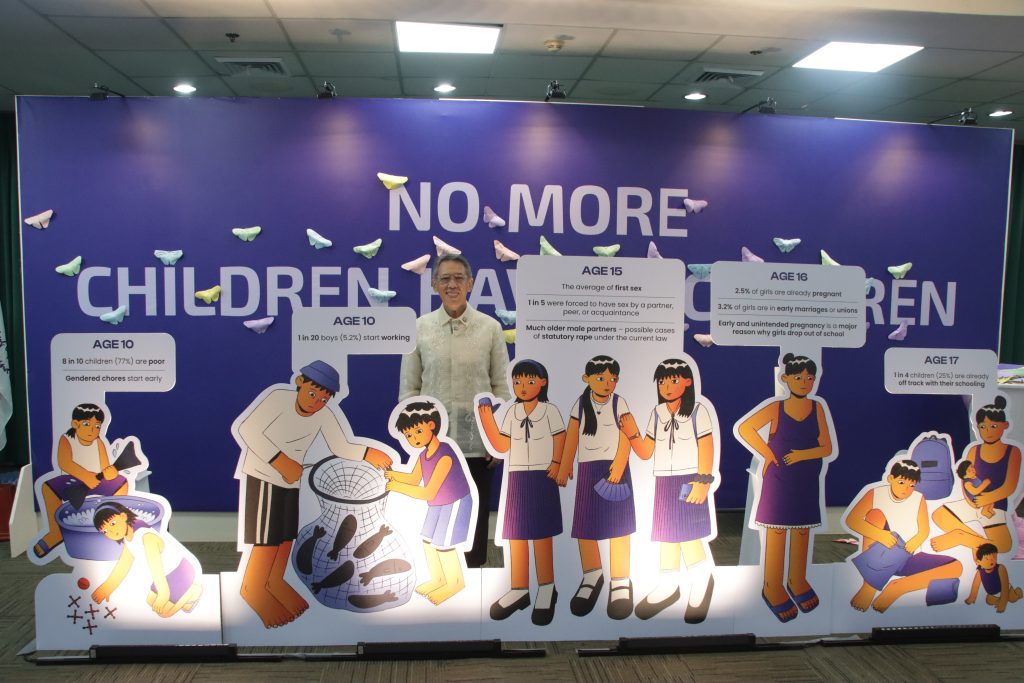
The key findings by researchers from University of San Carlos – Office of Population Studies (USC-OPS Inc.), University of the Philippines Population Institute (UPPI), and Research Institute for Mindanao Culture (RIMCU) Xavier University – Ateneo de Cagayan revealed the structural barriers children face that increase their risk of getting off-track with schooling and experiencing lower adult productivity. Among the findings is that adolescent pregnancy and early marriage or union are major reasons why girls drop out of school and stay off-track.
In her opening message, Rep. Richelle Singson, Chair of the House Committee on the Welfare of Children reiterated their commitment to translate data into action. “As Chair of the Committee on Welfare of Children, I believe it is our collective responsibility to ensure that every Filipino child is healthy, educated, protected, and empowered to reach their full potential.”
“Let us take this moment to listen to the data, to the stories behind the numbers, and most of all — to the voices of young people. Together, let us transform insights into sustained, meaningful action that will make a difference — not just for one generation, but for many generations to come.”
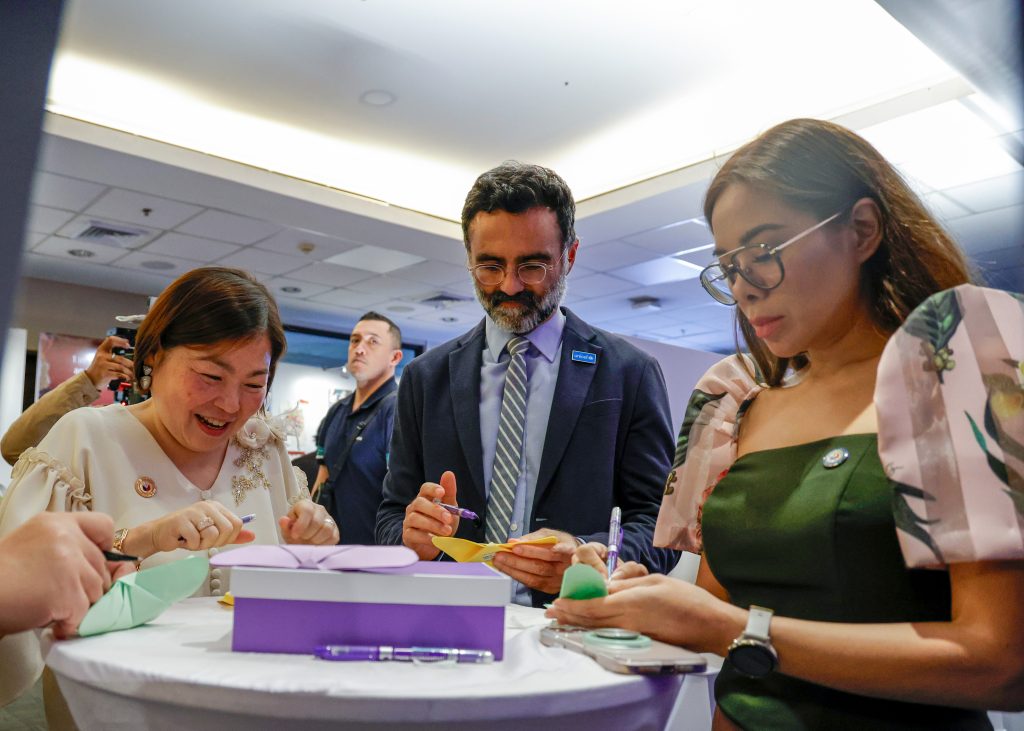
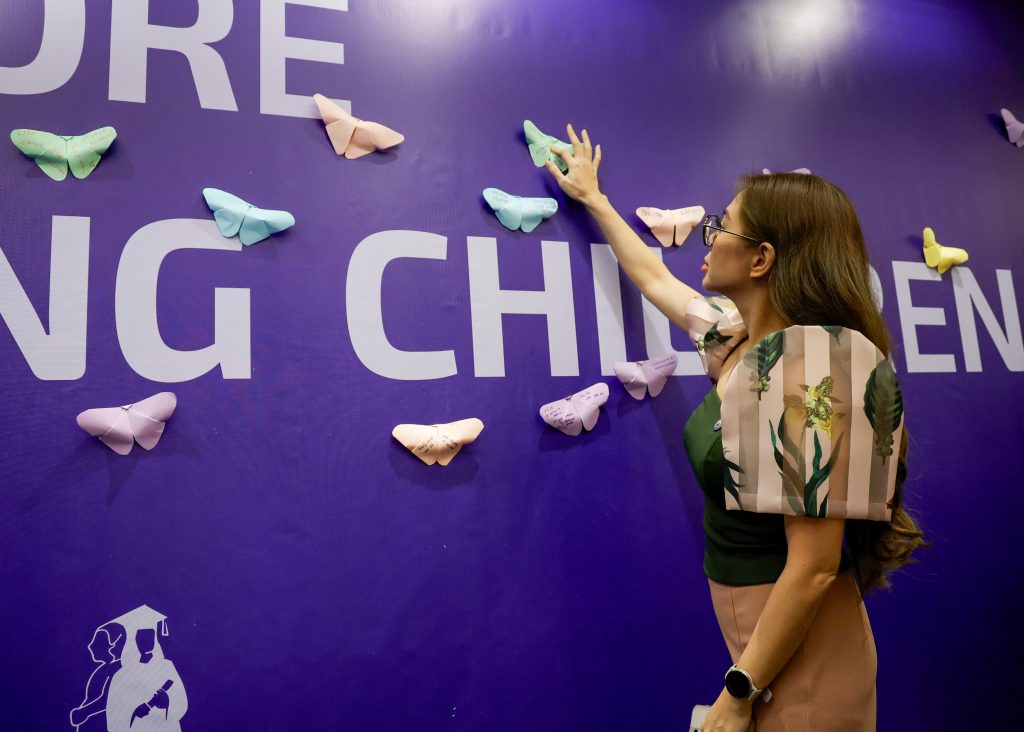
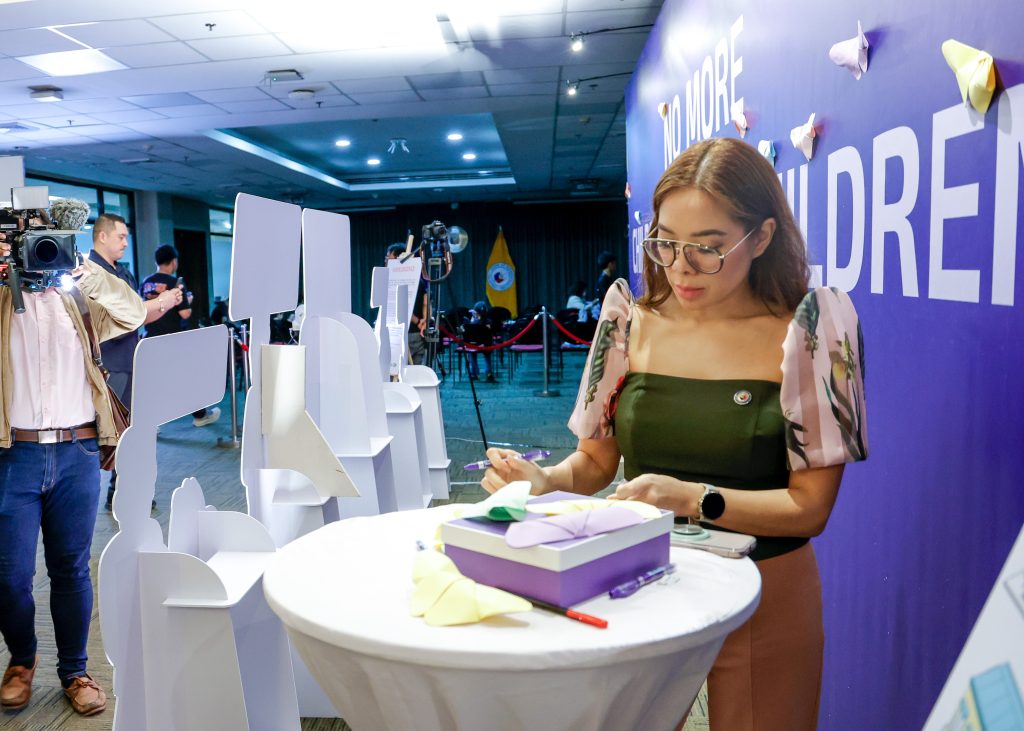
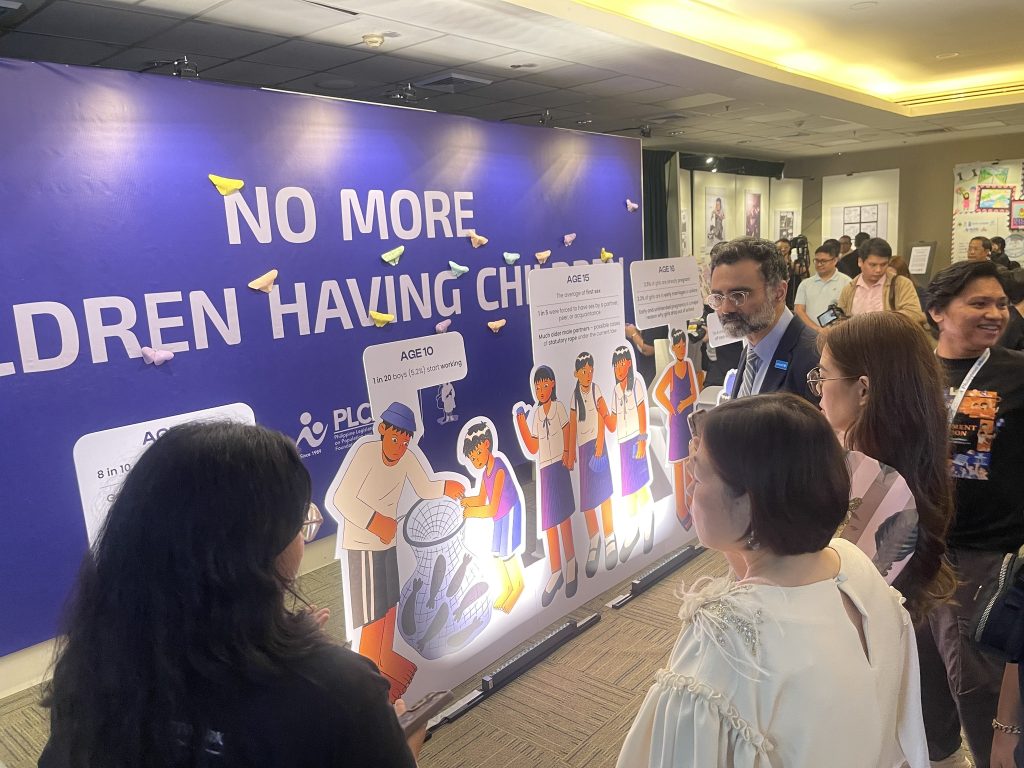
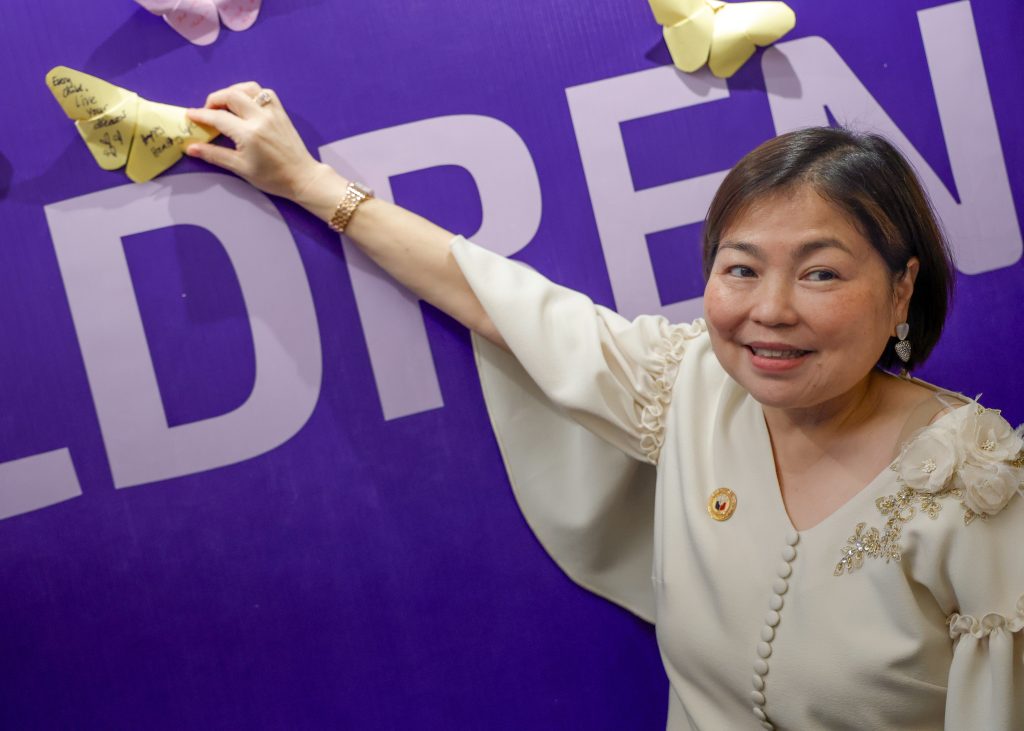


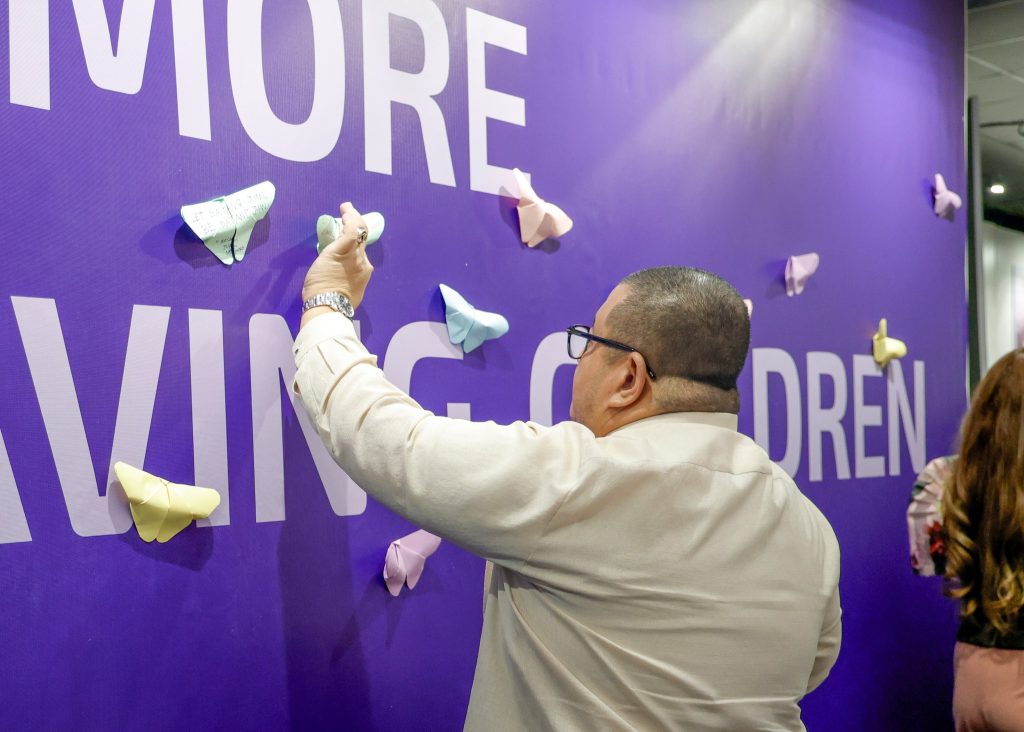
Legislators who also shared their commitment to pursue evidence-based legislation for children include Rep. Ciriaco Gato (Chair of the Committee on Health), Rep. Krisel Lagman (1st District, Albay), Rep. Joseph Kim Yu (1st District, Zamboanga Del Sur), and Rep. Chel Diokno (Akbayan Partylist).
Rep. Lagman encouraged the empowerment of adolescents on informed decision-making and urged legislators to act on these findings.
“This reality only serves to underscore both the urgency and importance of our role as legislators to ensure that the disturbing does not become comfortable. We should act, and do so with dispatch, equipped with concrete data gathered through empirical research,” emphasized Rep. Lagman.
PLCPD Executive Director Aurora Quilala reiterates the call for legislative action: “The reality of Filipino children is the most concrete evidence and call to action on the need for all stakeholders to provide appropriate, rights-based interventions… To Congress, we call on you to prioritize the enactment of the prevention of adolescent pregnancy bill. We thank the Committee on Youth and Sports Development for the commitment to ensure that adequate time will be given to discuss the bills, enhance the text, and defend the proposed measure. We also call for the passage of the Magna Carta of Children, which is the local translation of our commitment to the Convention on the Rights of the Child; amendment to the Anti-Bullying Act; bills that address bullying against children with disabilities and bills addressing gender-based violence; and anti-discrimination on the basis of SOGIESC.”


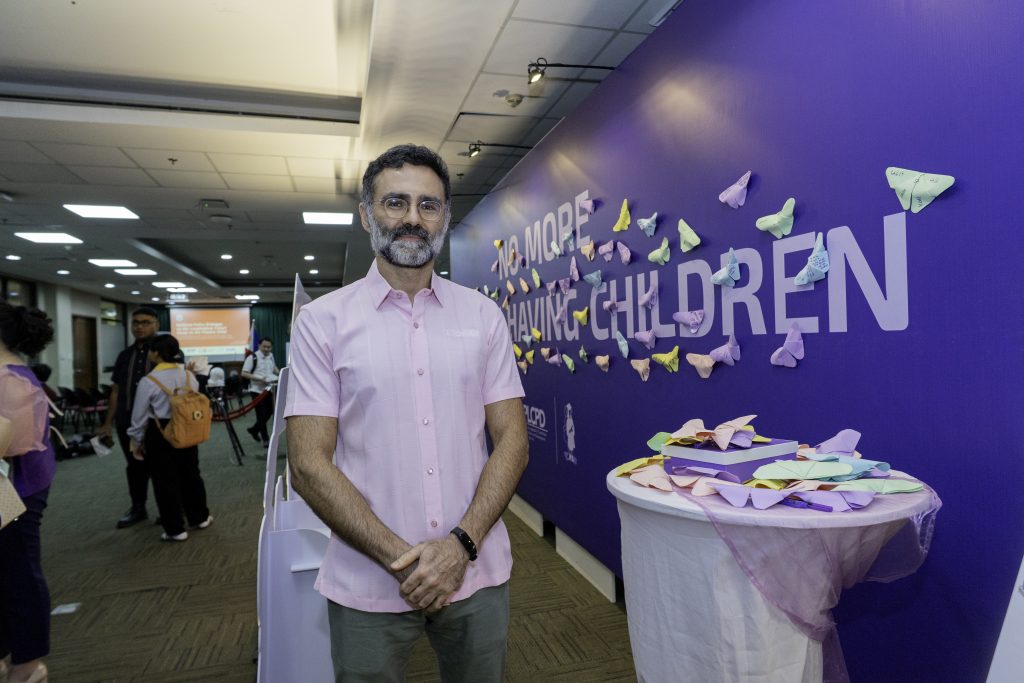
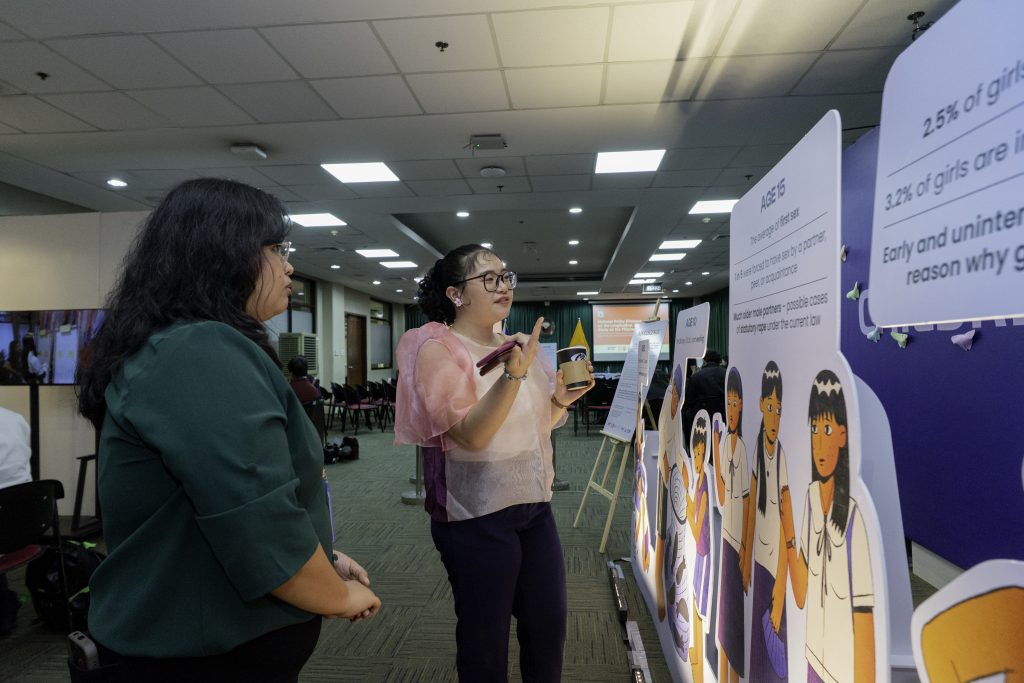
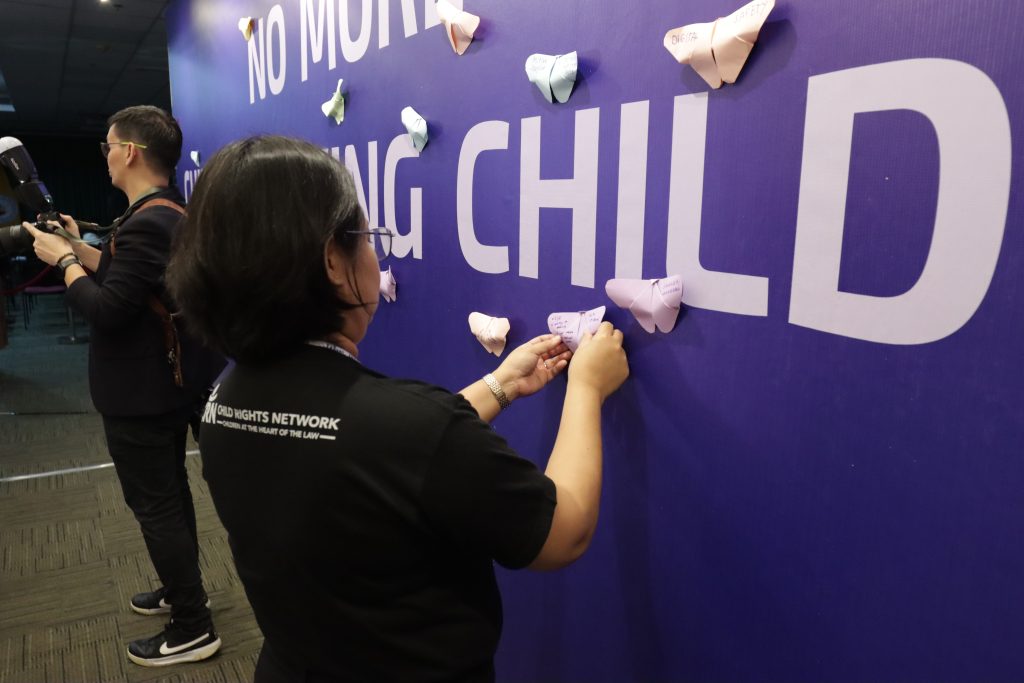
The policy dialogue was accompanied by an exhibit showcasing the NO MORE CHILDREN HAVING CHILDREN campaign — bringing to life key findings of the LCSFC, a community map co-created by mostly female cartoonists from PITIK BULAG which envisions a community with programs and services mandated for adolescents once the Adolescent Pregnancy Prevention Bill is passed, and an interactive portion where legislators and advocates expressed their hopes and dreams for Filipino children.
PLCPD counts on legislators to translate these hopes and dreams into decisive legislative action, primarily through the passage of the Adolescent Pregnancy Prevention Bill.